
The Secret Life of UTV Belts Why They Die Young and How to Make Them Live Longer
Your UTV's belt is not just a rubber strip. It is the unsung hero of your drivetrain, and it is probably being murdered by you. Here is how to stop the crime scene before it happens.
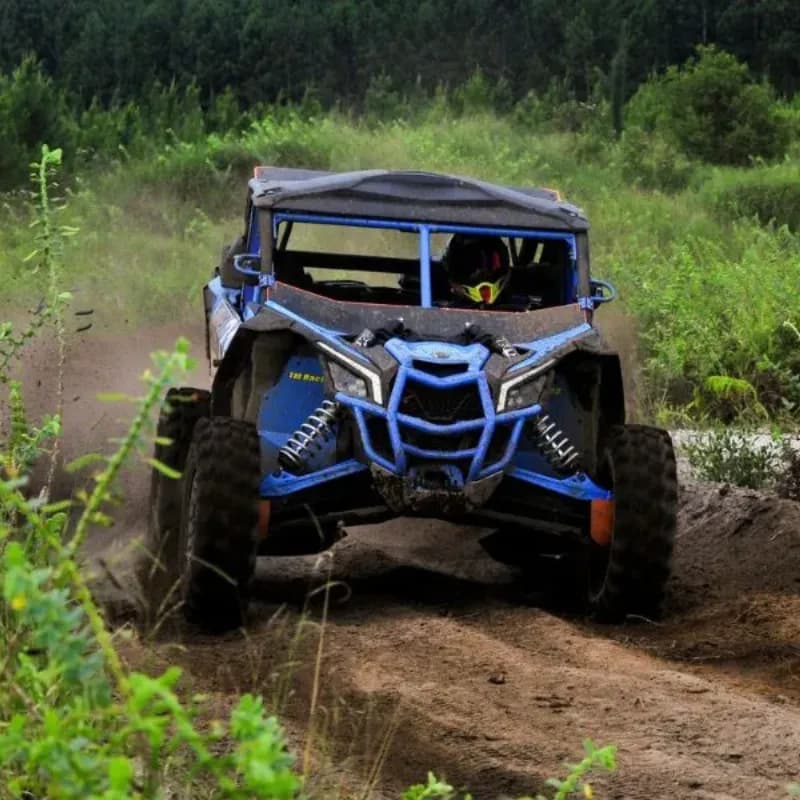
Let's talk about the thing that's going to ruin your weekend when you least expect it. No, not your buddy who always forgets to charge his radio. Not the sketchy trail that "should be fine" according to that guy on the forum. We're talking about your UTV belt. That innocent-looking rubber band buried deep in your CVT system that you probably haven't thought about since you bought the machine. You don't think about it until it explodes into a cloud of burnt rubber smell and your UTV suddenly becomes a very expensive lawn ornament. And when that happens, it's not just annoying. It's a full-blown disaster. You're stuck. Your ride is over. And if you're really unlucky, you're not just replacing a belt. You're replacing clutches, transmissions, and your entire sense of optimism. The brutal truth? Most belt failures are completely preventable. And yeah, you're probably the one killing it. But don't worry. We're going to teach you how to keep your belt alive longer than a Marvel movie franchise.
First, let's talk about what this belt actually does, because most people have no idea. In a UTV with a CVT, the belt is what transfers power from your engine to your wheels. It's constantly under insane tension, spinning at ridiculous speeds, and dealing with heat, dirt, mud, and whatever else you throw at it. It's basically the hardest working part of your entire machine. Strong? Yes. Flexible? Absolutely. But also super vulnerable to abuse. One dirty clutch, one misaligned pulley, or one "I'll adjust that later" moment can turn your belt into confetti faster than you can say "maybe I should have read the manual." So what actually kills these things? Buckle up.
Number one: heat. Belts absolutely hate heat. Not the kind you feel sitting in the seat on a hot day. We're talking about the crazy internal heat from friction, poor airflow, or the belt slipping when it shouldn't be. When a belt gets too hot, the rubber gets hard and brittle, starts cracking, and then just gives up on life. This is why plowing through deep mud or sand for too long without breaks is basically belt murder. The engine's screaming, the belt's slipping and heating up, and before you know it, you're walking home. The fix? Don't hold the throttle wide open in low-traction situations for extended periods. Give your machine a breather. And if you ride in brutal conditions regularly, install a belt cooler. It's not some fancy upgrade. It's survival equipment.
Number two: dirt and junk getting where it shouldn't be. Sand, gravel, mud, leaves, basically anything that sneaks into your clutch housing acts like sandpaper on your belt. It grinds away at the surface and kills the belt way before its time. The solution is stupidly simple: clean your clutch. After every muddy ride, spray out the clutch cover, blow out the debris, and actually look at the belt for damage. Don't wait until your next oil change. Belt failure doesn't send you a calendar invite. It shows up unannounced, usually when you're in the most inconvenient place possible.
Number three: wrong tension. Too tight and the belt wears out super fast. Too loose and it slips around, generates heat, and wears unevenly. You need it just right, like Goldilocks but with more grease and cursing. Most manufacturers give you an exact torque spec for belt tension. Use an actual torque wrench and follow the manual. Don't guess. Don't go by feel. Don't listen to your buddy who says "just make it snug." Belts need precision, not vibes. If you're not sure, bring it to someone who knows what they're doing.
Number four: ignoring the clutch. Your belt and clutch are a team. If your clutch is worn out, misaligned, or gunked up, it'll destroy even a brand new belt. Check your clutch plates for scratches and grooves, inspect the weights for wear, and make sure everything moves smoothly. Replace worn parts before they take your belt down with them. And lubricate the clutch shaft and pivot points while you're in there. Friction is the enemy of everything lasting a long time.
Number five: using the wrong belt for your machine. Not all belts are the same. Some are made for cruising around on flat ground. Others are built for racing. Some are designed for heavy abuse in the rocks and mud. Using the wrong one is like wearing flip-flops to run a marathon. It might work for a minute, but it's going to end badly. Always use the belt your manufacturer recommends. Or if you want to upgrade, get a high-performance belt that's actually designed for your specific machine and how you ride it. Don't cheap out here. A hundred-dollar belt is way less painful than a thousand-dollar transmission job.
So how do you keep your belt alive longer than your New Year's resolutions? Easy. Actually maintain it. Check the belt condition every 50 hours of riding. Look for cracks, fraying, shiny glazed spots, or uneven wear. Measure the width and compare it to what the manual says it should be. If it's getting thin, replace it before it fails. Don't wait for the dramatic breakdown. Be proactive. Clean your clutch after rides. Set the tension right. Avoid situations that make the belt slip constantly. And if you notice weird noises, vibrations, or your machine acting off, get it checked immediately. Belts don't just explode without warning. They give you clues. Pay attention to them.
And if you're still not sure what you're doing? Come see us at Utah Powersport Pros. We don't just slap in a new belt and send you on your way. We actually diagnose why the old one failed in the first place. We clean everything, adjust it properly, and align your whole drivetrain so your new belt actually has a fighting chance. We use quality parts, test ride every machine after we work on it, and explain what we did so you understand your machine better. Because a well-maintained UTV isn't just a toy. It's your escape from reality, your adrenaline fix, your excuse to get covered in mud and call it fun. And that deserves respect.
So next time you fire up your UTV, spare a thought for that belt. It's down there working its tail off to keep you moving, powering every adventure, asking for nothing except a little basic care. Clean it. Check it. Respect it. And it'll give you years of trouble-free riding. Because the best adventures aren't the ones where nothing goes wrong. They're the ones where you were prepared, maintained your gear, and kept your machine happy. Belt included.