
Winter Storage vs Winter Riding: How to Keep Your ATV Running Through Utah Winters
Utah winters are no joke. Whether you're storing your ATV until spring or riding through the snow, here's how to avoid costly mistakes and keep your machine ready for whatever Mother Nature throws at it.
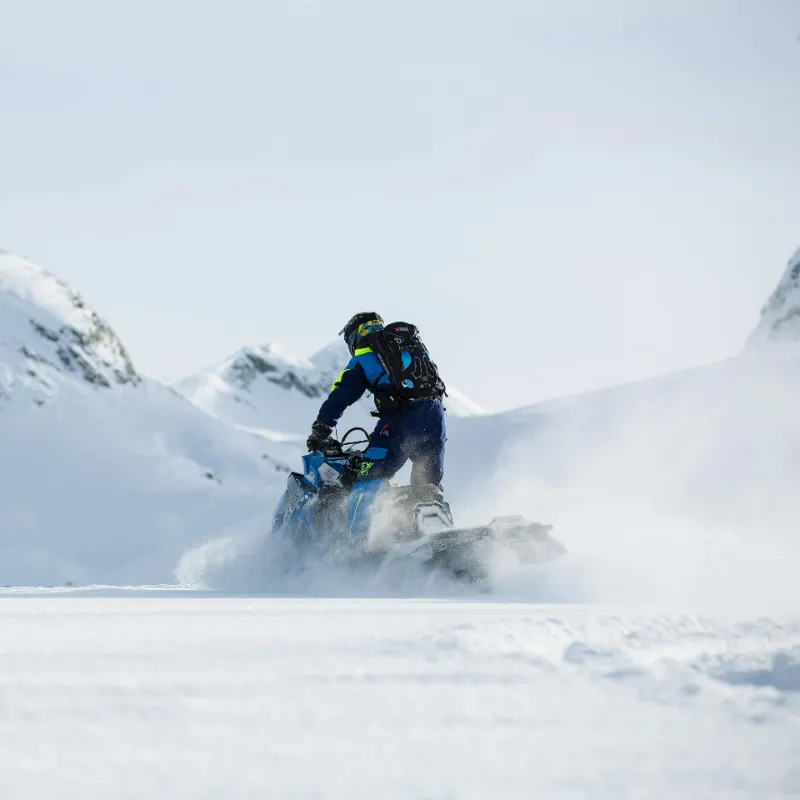
Look, Utah County winters are weird. One day it's 50 degrees and sunny, the next day you're digging your driveway out of two feet of snow. And your ATV? It's sitting there in the garage, silently judging you for not knowing whether to prep it for storage or gear up for some epic winter riding. Here's the thing: doing nothing is the worst option. Whether you're planning to park it until the wildflowers bloom or you're one of those crazy people who rides year-round (respect), your machine needs some attention right now. Otherwise, come spring or next weekend, you're going to turn that key and hear nothing but regret.
Let's start with the storage crowd. If you're putting your ATV away for the winter, you can't just park it in the corner and hope for the best. That's how you end up with a dead battery, gunked-up fuel system, and mice building condos in your air filter. First things first: fuel stabilizer is not optional. Add it to a full tank of gas, run the engine for a few minutes to circulate it through the system, then shut it down. Why a full tank? Because an empty or half-full tank lets moisture accumulate, and moisture turns into rust. Rust turns into expensive repairs. See the pattern here?
Change the oil before you store it, not after. Dirty oil sitting in your engine all winter is like leaving dirty dishes in the sink for three months. It gets nasty. Fresh oil protects your engine internals from corrosion and makes sure everything's ready to go when you fire it up again. While you're at it, check all your other fluids too. Top off the coolant, make sure your brake fluid isn't looking sketchy, and if your differential oil is due, swap it now. You'll thank yourself later.
Battery maintenance is where most people screw up. Just disconnecting it isn't enough. Cold kills batteries, especially ones that are just sitting there slowly losing charge. Either bring it inside and stick it on a trickle charger, or at minimum, disconnect it and store it somewhere above freezing. A dead battery in spring is annoying. A battery that's been frozen and cracked? That's a new battery you didn't budget for. Also, here's a pro tip: if you're storing your machine outside or in an unheated shed, mice love nothing more than a cozy ATV to move into. Steel wool in the exhaust pipe and air intake (just don't forget to remove it before starting up) keeps the rodents out. Trust me, you don't want to deal with a nest in your engine bay.
Now let's talk about you winter warriors who refuse to let a little snow stop the fun. First off, you're my kind of people. But riding in Utah winters requires some prep work unless you enjoy pushing your ATV back to the truck. Tires are your first concern. Those summer tread patterns you've been running? Useless on snow and ice. You need either dedicated snow tires or, at minimum, some aggressive mud tires that can bite into the white stuff. Some folks even run tire chains when it gets really gnarly up in the mountains. Just make sure they're the right size and properly installed, or you'll tear up your fenders.
Your cooling system needs antifreeze that can handle serious cold. Utah County might not get as brutal as Cache Valley, but we still see plenty of single-digit nights. Check your coolant mixture with an actual tester, not just by guessing. You want a 50/50 mix that's good down to at least negative 30 degrees. And while you're thinking about fluids, make sure you're running the right weight oil for cold weather. Some machines need thinner oil in winter so everything flows properly when it's freezing out. Check your manual. Or just ask us, we know this stuff.
Heated grips and a cab enclosure aren't just comfort items when you're riding in the snow. They're safety equipment. Your hands need to work to control the throttle and brakes, and if they're numb, you're asking for trouble. A windshield keeps the wind chill off your face and helps you actually see where you're going instead of squinting through frozen tears. Yeah, you can tough it out in a hoodie and gloves. But there's a difference between being tough and being smart. Also, always carry recovery gear in winter. A winch, tow strap, shovel, and some traction mats have saved more people than I can count. Snow hides everything: rocks, logs, drop-offs, that one puddle that's actually three feet deep. Get stuck out there and you'll be real glad you packed smart.
Here's what a lot of people don't think about: condensation. When you bring a freezing cold ATV into a warm garage, moisture forms everywhere. On your engine, in your exhaust, all over your electrical connections. If you can, let it warm up gradually. Or if you're storing it in a heated space, make sure it's completely dry first. Wipe down the frame, blow out any snow from the undercarriage, and let it air out before you button it up for the night. Trapped moisture plus electronics equals problems you don't want to diagnose.
And regardless of whether you're storing or riding, keep an eye on your air filter. Winter riding means snow gets everywhere, and when that snow melts, it turns into water in places water should never be. A wet air filter is a compromised air filter. Check it often, clean or replace it as needed, and maybe even consider a pre-filter or outerwear to keep the worst of the elements out. Same goes for your CVT intake if you've got a UTV. Water and snow in your belt drive is a recipe for disaster.
One more thing for the winter riders: let your machine warm up before you send it. Yeah, I know, you're excited, there's fresh powder, and you want to get after it. But cold oil is thick oil, and thick oil doesn't flow well. Give your ATV at least a few minutes to get everything circulating before you pin the throttle. Your engine will last a lot longer, and you'll have fewer weird noises to stress about.
So here's the bottom line. Winter in Utah County is unpredictable, but your ATV maintenance doesn't have to be. Storing it? Do it right with fresh fluids, fuel stabilizer, and a charged battery. Riding it? Prep for the conditions with proper tires, antifreeze, and recovery gear. Or better yet, bring it by Utah Powersport Pros and let us do a full winter prep. We'll make sure your machine is ready for whatever you throw at it, whether that's five months in the garage or five hours in the backcountry. Because nothing kills a good winter day like a machine that wasn't ready for it. And nothing beats that first ride when everything works exactly like it should.